

Modern Cooker Hood
Add a reviewOverview
-
Founded Date August 19, 1902
-
Sectors Contract Staffing
-
Posted Jobs 0
-
Viewed 17
Company Description
What’s The Job Market For Cooker Extractors Professionals?
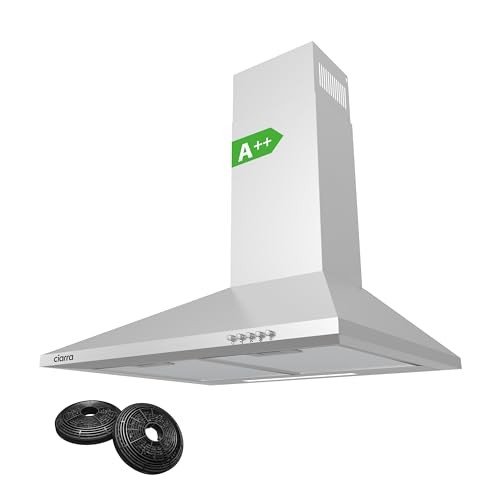
Understanding Cooker Extractors: The Essential Guide for each Kitchen
Cooking can be a jubilant experience filled with the alluring fragrances of spices, herbs, and mouthwatering dishes. Nevertheless, these wonderful aromas can have negative results on your kitchen environment if not properly aerated. This is where cooker extractors come into play. In this guide, we will check out the types, benefits, maintenance, and essential considerations of cooker extractors, all accompanied by tables for clearer understanding.
What is a Cooker Extractor?
A cooker extractor (https://git.ultra.pub/chimney-cooker-hoods0065), likewise referred to as a range hood or kitchen hood, is a gadget installed above the kitchen Stove Extractor Fan or cooktop. Its main function is to ventilate and remove smoke, steam, cooking odors, and airborne grease from the air, guaranteeing a cleaner and healthier cooking environment.
Types of Cooker Extractors
| Type | Description | Pros | Cons |
|---|---|---|---|
| Wall-mounted hoods | Connected to a wall over the cooktop. | Space-saving; differed designs | Requires adequate wall area |
| Island hoods | Suspended from the ceiling above an island cooktop. | Aesthetic appeal; effective suction | More expensive; requires ceiling assistance |
| Under-cabinet hoods | Installed under cabinets above the stove. | Discreet; does not use up area | Minimal extraction power |
| Downdraft hoods | Retracts into the countertop when not in use. | Ingenious style; conserves space | Less powerful; greater expense |
| Built-in hoods | Integrated into cabinets or devices. | Seamless appearance; exceptional fit | May need custom installation |
Benefits of Using Cooker Extractors
- Improved Air Quality: Cooker extractors effectively get rid of air-borne particles, smoke, and moisture, resulting in a much healthier cooking environment.
- Lowered Odor: They decrease sticking around cooking smells, keeping the remainder of the home smelling fresh.
- Improved Cooking Performance: A ventilated kitchen makes sure better temperature control, which can improve meal preparation.
- Protection for Your Kitchen: Extractors assist to prevent grease accumulation on walls and ceilings, thus extending the life of kitchen surfaces.
- Visual Appeal: Modern styles of cooker extractors can elevate the general appearance of your kitchen.
How to Choose the Right Cooker Extractor
Choosing the perfect cooker extractor can be a difficult job provided the variety of choices available. The following aspects should be thought about:
1. Size and Space
- Measure your cooktop: The width of the extractor ought to ideally match your cooktop size.
- Ceiling height: Ensure the height of your setup is suitable for your kitchen design.
2. Extraction Rate
- Determined in cubic feet per minute (CFM), this shows the volume of air the extractor can move. As a rule of thumb, kitchens need a CFM of 300-400 for effective ventilation.
3. Noise Level
- Search for noise ratings determined in sones. A level of 1-3 sones is typically quiet, while levels above might be disruptive.
4. Kind of Ventilation
- Ducted vs. ductless: Ducted systems expel air outside, while ductless systems filter and recirculate air back into the kitchen. Ducted systems are normally preferable if external venting is possible.
5. Design and Budget
- Choose a design that complements your Kitchen Extractor Hoods decoration while staying within your spending plan. Consider not just the preliminary cost but also upkeep and replacement parts.
Quick Comparison Table
| Function | Ducted System | Ductless System |
|---|---|---|
| Air flow | Exhales air outside | Recirculates filtered air |
| Installation | More complex, requires ductwork | Easier installation, no ducts required |
| Performance | Usually more reliable for heavy cooking | Less reliable for high smoke levels |
| Upkeep | Usually low, however ducts might need cleaning | Filters need routine replacement |
Maintenance of Cooker Extractors
To guarantee ideal efficiency and longevity, cooker extractors need maintenance. Here’s a checklist for effective maintenance:
Regular Cleaning
- Tidy the filters monthly, depending upon use. Grease filters can either be cleaned or changed, while charcoal filters need to be replaced as suggested by the manufacturer.
Inspect Fan and Lights
- Guarantee that the fan is operating properly and changes light bulbs as needed.
Inspect Ductwork
- If you have a ducted system, examine ducts occasionally for grease buildup and guarantee they are clean and clear.
FAQs About Cooker Extractors
1. How typically should I clean my cooker extractor?
It’s suggested to clean your grease filters each month. However, this may vary based upon cooking frequency.
2. Can I install a cooker extractor myself?
While some models, particularly ductless ones, are easier to set up, it is often best to seek advice from a professional for ducted systems.
3. How do I figure out the right CFM for my kitchen?
A good guideline of thumb is to select an extractor with a CFM ranking that’s 100 times the width of your cooktop. For example, a 30-inch cooktop could preferably require a 300 CFM extractor.
4. What is the distinction in between a grease filter and a charcoal filter?
Grease filters get rid of grease particles from the air, while charcoal filters absorb smells. Ducted systems typically use grease filters, while ductless systems need both for reliable filtration.
5. Do I require a permit for setting up a cooker extractor?
Each jurisdiction has its particular guidelines, so it’s smart to examine local building codes and guidelines before setup, particularly for ducted systems.
A cooker extractor is a vital appliance that uses myriad benefits for both cooking lovers and everyday home cooks. With improvements in design and technology, finding the ideal extractor customized to your kitchen’s needs can enhance both performance and aesthetic appeal. By understanding the various types, benefits, and maintenance needed, house owners can make informed decisions leading to a more satisfying and healthier cooking experience.
Whether you’re upgrading your kitchen or embarking on a brand-new cooking journey, selecting the right cooker extractor can substantially elevate your culinary area, making sure that tasty meals come without the undesirable consequences of odors and smoke.